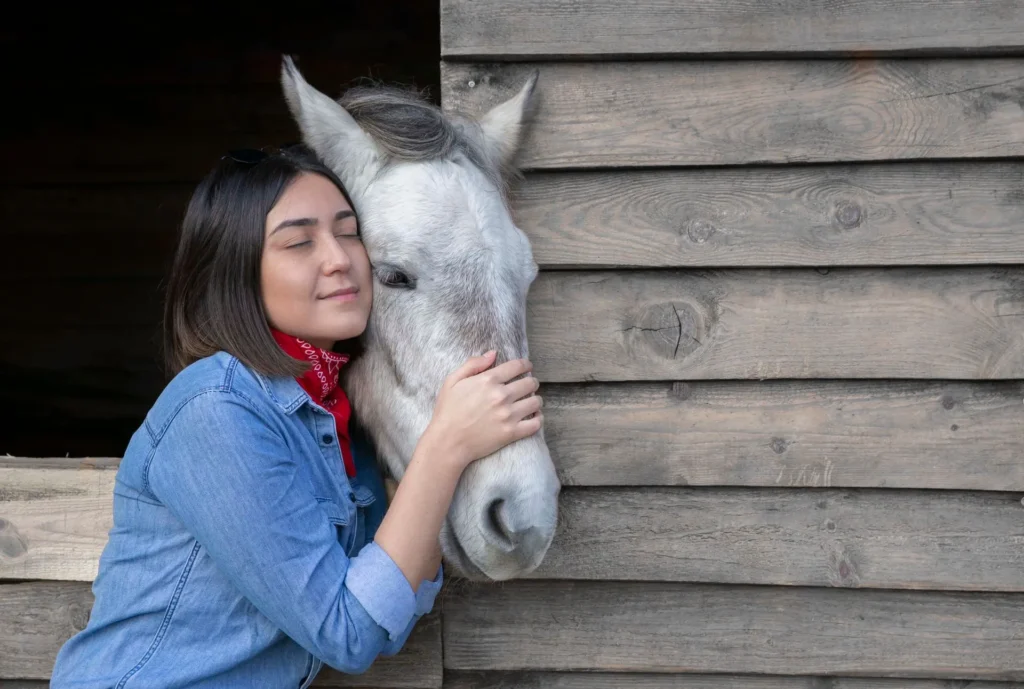
As a horse owner, you may have spent years choosing the right care, training, and management for your horse. Have you also considered what would happen if you could no longer make those decisions yourself?
Traditional estate planning documents address property and financial assets, but they may not address the ongoing needs of animals that depend on people for daily care. When those needs are expressly included in an estate plan, a horse trust can be one option for planning how care and funding should be handled.
Key Takeaways
- A horse trust is a legal arrangement designed to provide funded care for one or more horses under its governing terms.
- A properly structured and funded living trust may address incapacity and death; a trust created by will generally addresses care after death.
- A trustee manages trust property, while a caretaker provides or arranges daily equine care. These roles may be held by the same person or different people.
- Funding, decision-making authority, practical care instructions, and backup arrangements should be considered together.
- The right plan depends on the horses, the owner’s circumstances, and the intended care arrangements.
What Is a Horse Trust and How Does It Work?
A horse trust is a trust arrangement under which a trustee holds and administers property for the care of one or more horses according to the governing instrument. Unlike an outright gift in a will, a properly structured and funded trust can provide ongoing authority and funding when the conditions stated in its documents are satisfied.
The plan may identify several roles:
- Trustee: Manages trust property, pays appropriate expenses, and administers the funds under the trust’s terms.
- Caretaker: Provides or arranges daily care, including feeding, turnout, veterinary treatment, and farrier services.
- Successor trustee and caretaker: Serve as backups if the people initially selected cannot or will not serve.
California Probate Code § 15212 provides a statutory framework for trusts created for the care of designated domestic or pet animals, including horses. The statute and the trust’s terms affect how the arrangement is administered and enforced. Read the
California Probate Code § 15212 for the statutory text.
Trust property may include cash or investment assets transferred to the trustee and, depending on the broader plan, other assets or proceeds intended to support care. The trust instrument should explain how those resources may be used. California law generally limits use of animal-trust principal and income to the animal’s benefit, subject to the statute and the terms of the trust.
Why a Will May Not Be Enough on Its Own
A will might leave a horse to a family member, but an outright gift does not by itself ensure that the recipient has the resources, experience, or willingness to provide the care the owner intended.
A will governs what happens to property after death; it does not itself provide a mechanism for managing the owner’s affairs during incapacity. Probate administration may also involve practical delays and requirements. Although an authorized personal representative may be able to arrange and pay for care during administration, owners should consider how care, access to funds, and veterinary decisions will be handled during that period.
Horses are generally treated as property under the law, but their ongoing needs are different from those of many other assets. A recipient may not know the horse’s medical history, management routine, or care preferences. A will can be coordinated with an animal-care trust where appropriate, while incapacity planning may require separate arrangements.
A verbal understanding with a friend or family member may not provide the legal authority, funding, or clarity needed during an actual emergency.
When Might a Horse Trust Be Worth Considering?
A horse trust is not automatically necessary for every horse owner. It may be worth discussing as part of a broader estate plan when circumstances make continuity of care especially important.
- You own a retired or special-needs horse. Ongoing care may continue long after the horse’s competitive or resale value has changed. A successor needs to understand both the horse’s needs and the resources available.
- You own multiple horses with different needs. One horse may be in training while another needs retirement care. Instructions and funding may need to account for each animal’s circumstances.
- You own breeding stock. Breeding arrangements, stored reproductive material, foaling care, and related decisions may require specific instructions and knowledgeable oversight.
- You live or ride alone. If you are the sole caretaker and decision-maker, consider who can act and how they would access the information and resources needed.
- Your family members are not experienced horse owners. Even well-meaning relatives may need guidance about feeding, veterinary care, exercise, and management.
As care needs and costs evolve, planning for continuity of care is an important part of responsible ownership.
What Should a Horse Trust Address?
The appropriate terms depend on the horse and the owner’s goals. The following are practical issues to consider with qualified legal guidance.
Detailed Care Instructions
Instructions can help a trustee and caretaker understand the standard of care the owner wants for each horse. Depending on the circumstances, they may address:
- Housing: Stall, pasture, turnout, paddock, or relevant facility requirements.
- Feeding: Hay, grain, supplements, quantities, and feeding schedules.
- Veterinary care: Routine care, ongoing treatment, medications, and relevant medical conditions.
- Farrier care: Trimming, shoeing schedules, therapeutic shoeing, or other hoof-care needs.
- Exercise and training: Whether the horse should be exercised or ridden, and any relevant discipline or handling considerations.
The goal is to provide enough guidance to reduce guesswork without making the instructions so rigid that they cannot accommodate a horse’s changing needs.
Funding for Care
A funding plan should use realistic projections for the horses’ anticipated care needs. Costs vary substantially by region, boarding arrangement, age, health, discipline, and desired level of care. Budget considerations may include boarding, feed, veterinary and farrier services, medication, training, transportation, emergency treatment, final arrangements, and trustee or administration expenses.
Include a contingency for unexpected illness or injury and consider how costs may change over time. Funding may be allocated by horse or managed as a pooled reserve, depending on the trust’s terms and the owner’s goals.
Life insurance may provide one source of trust funding at death, subject to the policy terms, beneficiary designations, and coordination with the overall estate plan. Death-benefit proceeds do not provide funding during the insured owner’s lifetime, so separately accessible resources may be needed for incapacity and interim care. Other assets may need to be transferred, sold, or generate income before they can pay care expenses.
Choosing a Trustee and Caretaker
Choosing suitable people is as important as drafting the documents. A trustee should be organized, financially responsible, and able to administer funds according to the trust’s care standards. Equine knowledge may be helpful, but the responsibilities and support available should be considered when choosing the right person. A professional fiduciary may be an option, but confirm that the person or institution is willing and able to serve.
A caretaker should have appropriate hands-on equine experience, share the owner’s care philosophy, and be realistically able to provide or coordinate care. This might be a barn manager, trainer, adult family member, or trusted equestrian friend.
The same person may fill both roles, but separating them can provide an additional layer of oversight. The caretaker can communicate care needs and expenses while the trustee administers funds under the trust. Name successor trustees and caretakers, and confirm their willingness to serve. Backups can reduce the likelihood of needing a court appointment, but cannot eliminate that possibility.
Disposition and End-of-Life Instructions
The trust should address what should happen if a horse can no longer be cared for under the existing arrangement or reaches the end of life. Depending on the owner’s wishes, the instructions may cover:
- Quality-of-life decisions: How the owner’s wishes about suffering and humane end-of-life care should be communicated to the people responsible.
- Sale or adoption: Whether a horse may be sold or adopted, and any standards for a suitable placement.
- Retirement or sanctuary placement: Facilities or organizations the owner would like considered, subject to availability and suitability.
- Remainder beneficiary: Who receives any funds remaining after the trust’s purpose has ended, subject to the governing terms and applicable law.
Under California Probate Code § 15212, an animal-care trust generally continues until no animal living at the settlor’s death remains alive, unless the trust provides otherwise. The trust’s duration and administration should be considered alongside the anticipated needs of the horses.
How Is a Horse Trust Different from Other Pet Trusts?
California’s animal-care trust framework can apply to horses as well as other animals. A horse trust tailors that framework to the particular horses, care arrangements, and funding needs.
Equine care can involve substantial and highly variable expenses for boarding, feed, veterinary care, farrier services, training, transportation, and emergencies. It may also involve several specialists, facility contracts, liability considerations, or management decisions that differ from those associated with household pets.
Horse ownership may intersect with real estate, breeding arrangements, boarding businesses, or competition partnerships. Where those interests are involved, the trust may need to be coordinated with the owner’s wider estate or business succession plan. Horses commonly live into their twenties and sometimes beyond, so a trust for a younger horse may need an administration and funding plan that can operate for many years.
Common Planning Mistakes to Avoid
- Underestimating funding needs. Current costs may not reflect inflation, future health issues, emergencies, or administration expenses. Consider a realistic contingency rather than relying only on today’s budget.
- Choosing a caretaker without discussing the commitment. Someone may care deeply about your horse but lack the time, resources, or practical capacity to provide or coordinate care. Discuss expectations before naming them.
- Failing to revisit the plan. A move to another state, a new boarding facility, a change in the horse’s health, or a change in the people involved may justify reviewing the trust and care instructions.
- Overlooking incapacity. A trust created by will operates after death. A living trust may address incapacity if its terms, successor authority, and funding support that purpose. Coordinate the trust with any relevant powers of attorney and other planning documents.
- Leaving information inaccessible. Make sure the people who may need to step in can locate veterinary records, boarding agreements, feeding and medication instructions, and contact details.
A horse trust is only as effective as its drafting, funding, and implementation. Generic documents may not address the practical details that matter for a particular horse.
How Do You Set Up a Horse Trust in California?
The process will depend on the owner’s circumstances and the intended trust structure. These practical steps can help prepare for a discussion with an attorney:
- Inventory your horses and their needs. Record each horse’s age, health, current care routine, location, and special requirements.
- Discuss possible trustees and caretakers. Talk with candidates about responsibilities, compensation if applicable, and their willingness to serve.
- Consider funding sources. Review which assets may be available, when they would become available, and whether the plan accounts for incapacity as well as death.
- Develop the trust terms with legal guidance. An attorney can help align the terms with California law, the owner’s goals, and the horses’ specific needs.
- Implement the funding arrangements. Properly title or transfer assets, review beneficiary designations where appropriate, and arrange for funds to be available when needed.
- Coordinate supporting documents. Review the broader estate plan, relevant powers of attorney, and practical information for the people who may step in.
- Review the plan periodically. Revisit care information and funding assumptions at least annually as a practical habit, and after meaningful changes. Coordinate any necessary legal revisions with your attorney.
Equine Estate Advisors helps California horse owners consider how trust arrangements, care instructions, funding, and other estate-planning documents can work together. The details should be coordinated with the owner’s actual boarding arrangements and goals.
Why Consider Equine Estate Planning Experience?
General estate-planning attorneys understand trusts, but not every practitioner is familiar with the practical and contractual issues unique to horse ownership. That distinction can matter when designing a plan.
Equine-focused planning may involve questions such as:
- What happens to stored semen or embryos and related arrangements?
- Should a younger horse be sold to help fund care for retired horses, or should it remain in training?
- How should the owner’s wishes about quality of life and extraordinary treatment be communicated?
- How should a caretaker respond if a horse becomes dangerous or difficult to manage?
- What options exist if a chosen caretaker cannot provide the expected standard of care?
Equine Estate Advisors operates through Alexander Law APC. Attorney Julia Alexander’s work with horse owners can help inform planning that accounts for both legal documents and practical equine arrangements. Horse-specific planning may require coordination among estate-planning counsel, equine professionals, and, where appropriate, tax or financial advisers. Trust funding can also have tax consequences depending on the assets and structure involved.
For general background, see the
American Bar Association’s estate-planning resources and the IRS guidance on estate and gift taxes.
Planning for Your Horse’s Future
A properly structured and funded horse trust can help provide continuity of care when you cannot provide it yourself. Whether you own one horse or manage a larger equestrian operation, the important questions are who can act, what authority they will have, where funding will come from, and how your wishes will be communicated.
If you own horses in California and want to consider how their care could be addressed in your estate plan, contact Equine Estate Advisors to discuss your circumstances and the planning options that may be appropriate.
FAQs
Does a horse trust cover incapacity as well as death?
It depends on how the arrangement is created and drafted. A properly structured and funded living trust may address incapacity, while a trust created by will generally addresses care after death. The documents should be reviewed to confirm when authority and funding become available.
Does a horse trust automatically pay for my horse’s care?
No arrangement should be assumed to work automatically. Funding, the trustee’s authority, the trust’s terms, and the conditions for using funds all matter.
Can the same person be trustee and caretaker?
Potentially. Some owners may prefer one person to fill both roles, while others may want separate people so that care decisions and financial administration have distinct responsibilities.
Can life insurance fund a horse trust?
Life insurance may provide funding at death if the policy, beneficiary designation, and trust arrangements are properly coordinated. It does not, by itself, provide death-benefit proceeds for the insured owner’s living expenses or care needs during incapacity.
How often should a horse trust be reviewed?
Review care information and funding assumptions periodically and after meaningful changes, such as a move, a new horse, a change in health, or a change in the people involved. Ask an attorney whether the legal documents need to be revised.
Legal Disclaimer
This article provides general information about California law and is not legal advice for your particular circumstances. Reading it does not create an attorney-client relationship with Alexander Law APC or Equine Estate Advisors. Laws and individual circumstances vary; consult a qualified attorney about your specific planning needs.