For horse owners, equestrian families, and barn owners, succession planning is about more than a future business transition. It is about continuity: who has authority, who understands the horses, and how the life you have built continues if ownership, management, incapacity, retirement, or death creates uncertainty.
Equine attorney Julia Alexander helps clients create practical succession plans that connect estate planning with the real responsibilities of horses, property, barns, staff, clients, and family members who may one day need clear direction.
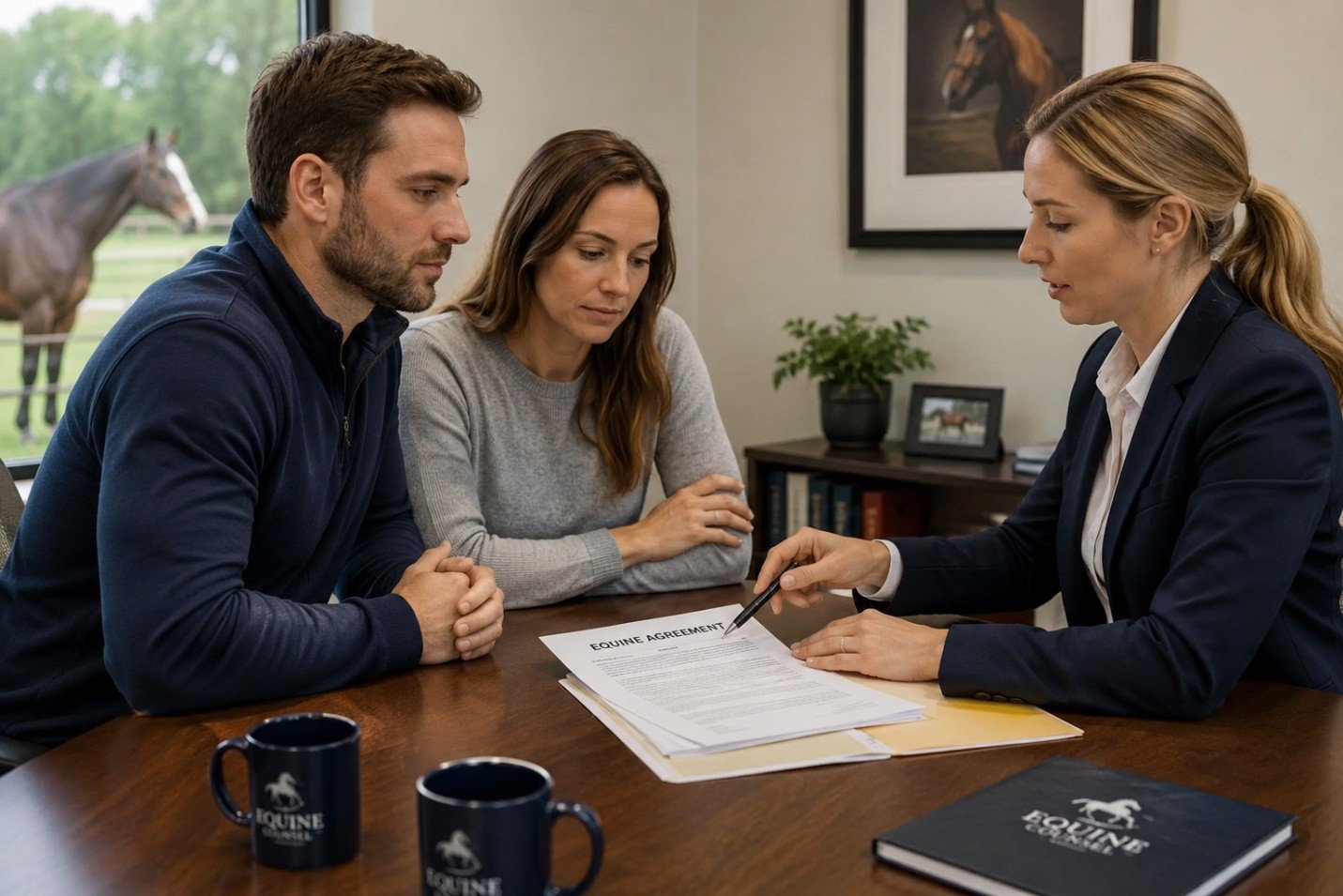
A barn, horse property, or equestrian operation can face disruption when the person at the center of decision-making can no longer manage things alone. Questions can arise quickly: Who can make decisions? Who handles care, staff, contracts, invoices, or facility obligations? What happens to the horses, clients, and property tied to the operation?
Business and succession planning helps answer those questions before pressure or confusion arises. The goal is to give the right people authority, instructions, and structure when continuity matters most.
Clarify how ownership interests, management roles, or decision-making authority may transfer or change.
Support stable care, staffing, client relationships, vendor arrangements, and day-to-day operations.
Reduce uncertainty when family members, partners, employees, or caretakers may need to step in.
Plan for retirement, sale, partner exit, incapacity, death, or other major life changes.
Coordinate planning for facilities, leases, service agreements, horses on site, and ongoing obligations.
Traditional business planning may not account for the realities of equestrian life. Horses require immediate care. Barns may involve boarders, trainers, vendors, staff, insurance, land use, and ongoing client relationships. A plan that looks fine on paper may fail if it does not reflect how the operation actually runs.
For many clients, the concern is personal as well as practical: what happens if your family does not know how to manage the horses, the barn, or the relationships connected to them? A clear succession plan gives them a path to follow.
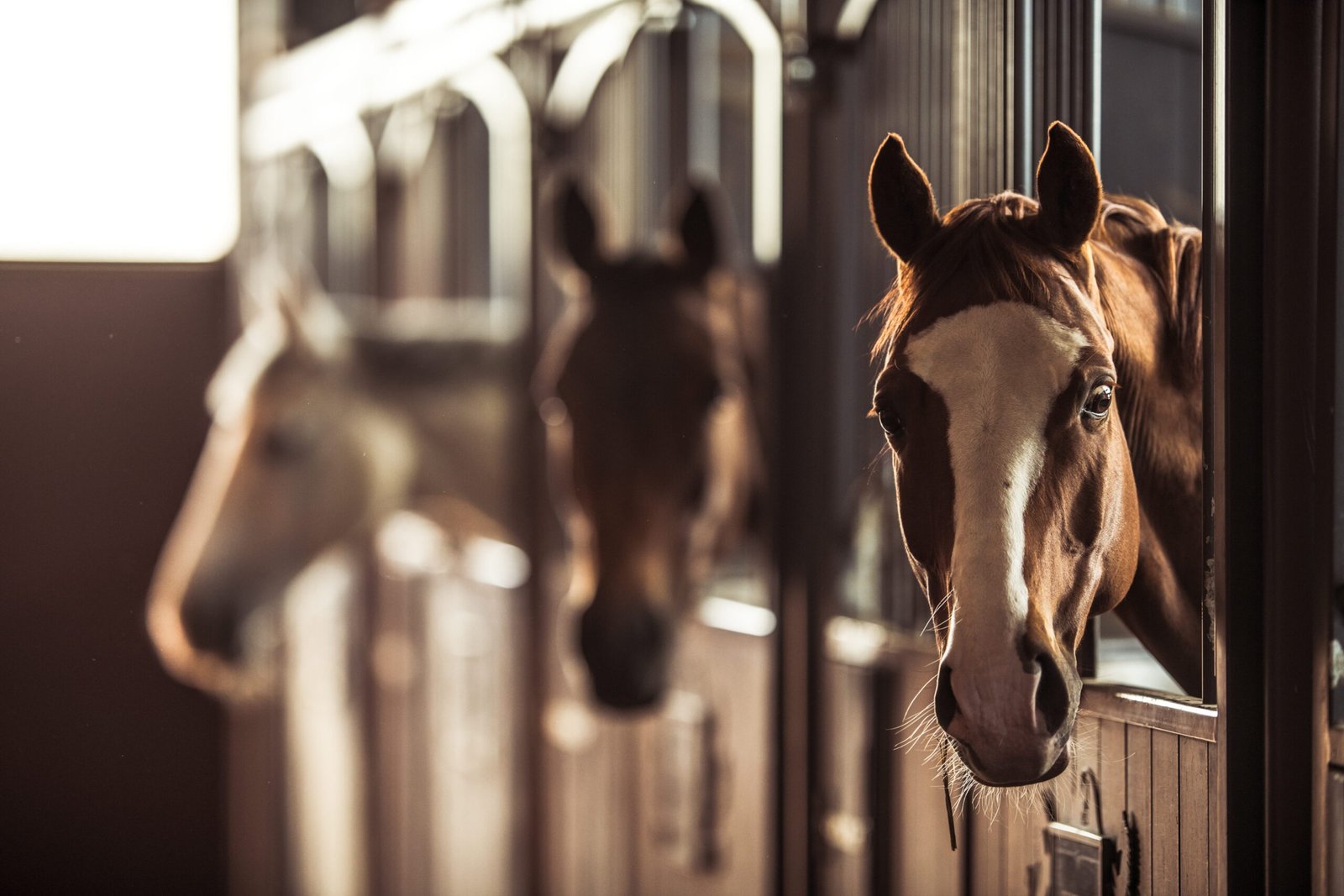
The best time to plan is before a transition is urgent. Early planning gives you more control over who steps into key roles, how decisions are made, and how the value and stability of the operation may be preserved.
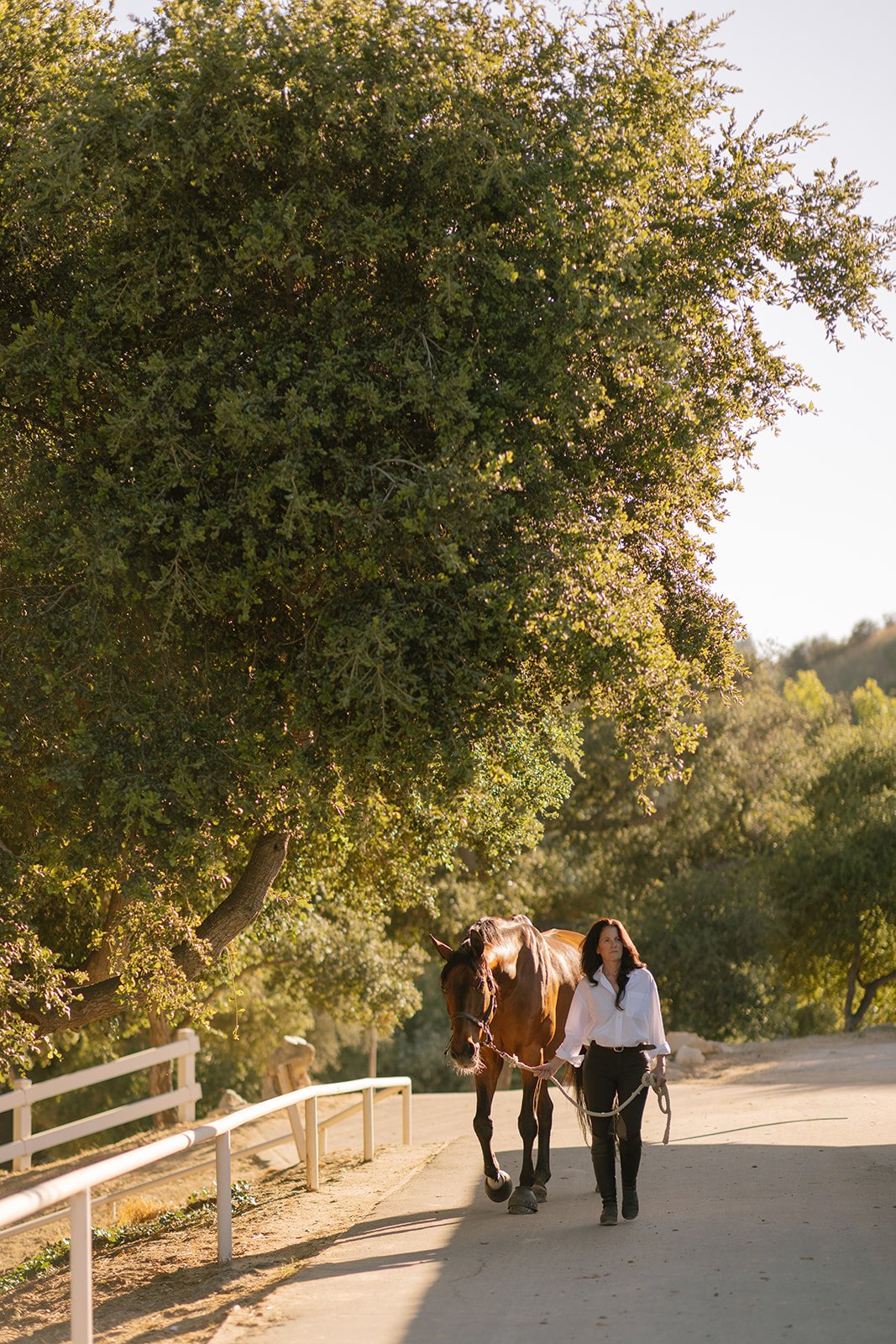
This planning can be especially important for barn owners, horse property owners, multi-horse households, equestrian businesses, riding programs, and families whose horses or operations are closely tied to their daily lives.
Julia approaches succession planning with an understanding that equestrian operations are built around both legal structure and living responsibilities. The plan should support the business, but it should also respect the horses, people, property, and legacy involved.
The result is planning that is practical, understandable, and tailored to the equestrian life you want to preserve.
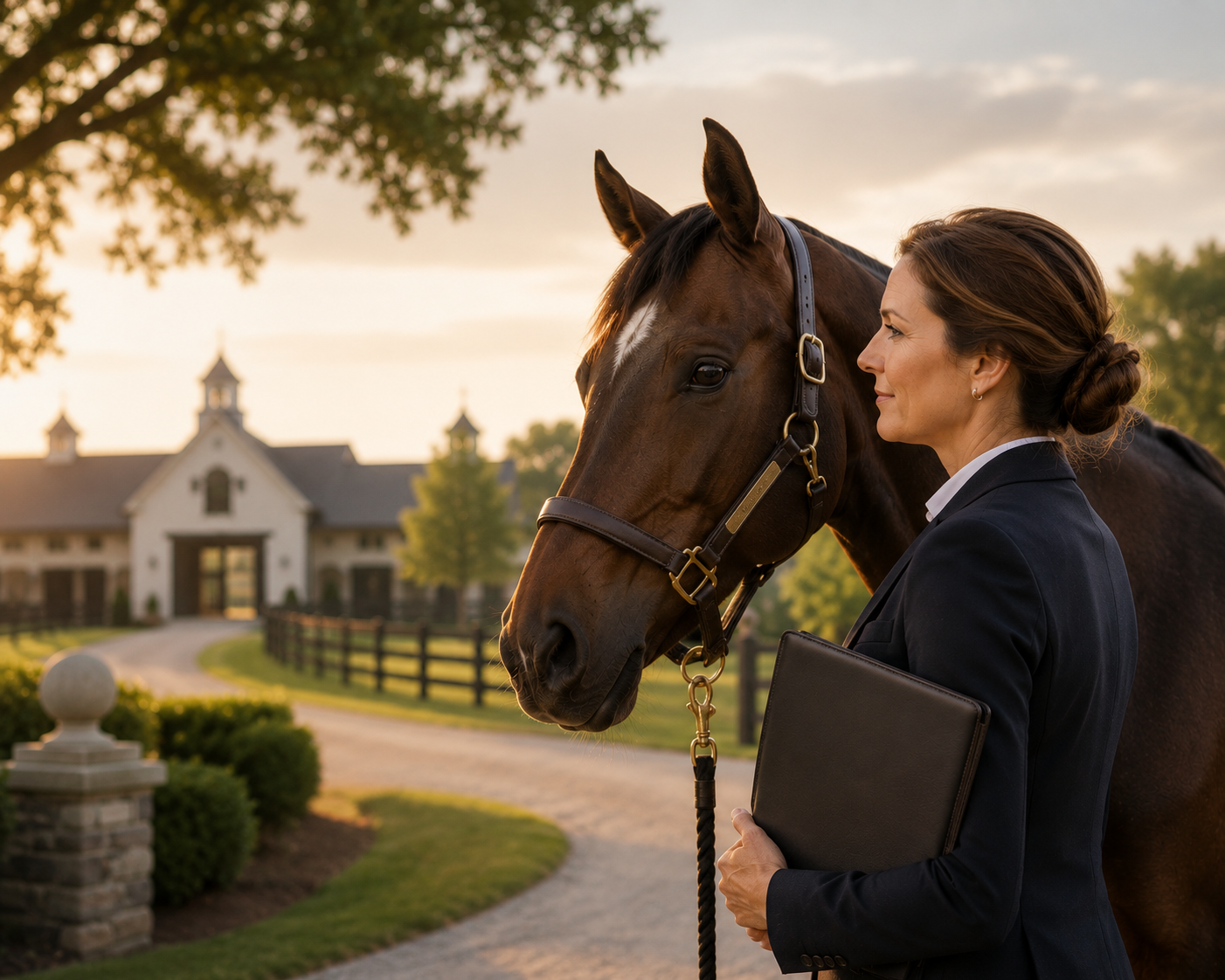
Your barn, horses, property, and equestrian relationships deserve a plan that supports continuity when life changes.
Speak with Julia about business and succession planning designed for horse owners, equestrian families, and barn owners who want clear direction before uncertainty arises.
Equestrian business succession planning helps prepare a barn, horse property, riding program, or equine operation for changes in ownership, management, or decision-making.
Yes. Barn owners often have horses, clients, staff, contracts, property obligations, and business interests that need continuity if ownership or management changes.
Yes. A succession plan can give family members clearer instructions, identify the right decision-makers, and reduce confusion around horse care, property, and operations.
Ideally, before a transition becomes urgent. Early planning gives you more options and can help reduce disruption if retirement, sale, incapacity, death, or unexpected events occur.