Estate planning for horse owners begins with one essential question: what happens to your horses if something happens to you?
Horses are companions, partners, responsibilities, and part of the life you have built. They need daily care, knowledgeable decision-making, and clear instructions if illness, incapacity, death, or an unexpected transition occurs.
Equine attorney Julia Alexander helps horse owners, adult amateur riders, equestrian families, and multi-horse households create estate plans designed around the future care, ownership, and continuity of the horses they love.
Traditional estate planning may address financial accounts, real property, and personal belongings, but horses require a more specific plan. They may need immediate care before an estate is settled. They may have medical needs, training routines, retirement considerations, or placement concerns that a traditional plan does not fully explain.
An equine estate plan helps make those decisions clear before your family, caretaker, or representative is asked to act under pressure.
Identify the person or people you trust to care for your horses and understand their needs.
Document guidance for daily care, medical history, retirement, placement, special handling, and emergency decisions.
Plan for expenses such as feed, boarding, veterinary care, farrier services, medication, and transportation.
Clarify who can make care, placement, ownership, and financial decisions if you cannot.
Create a plan that reflects the needs of aging horses, retired horses, competition horses, or a larger herd.
Give clear direction to loved ones who may care deeply about you, but may not understand the equestrian world.
A basic estate plan may transfer ownership, but ownership alone does not answer the most important questions. Who will know what your horse needs? Who will pay for care? Who has authority to make immediate decisions? What if your family does not know which barn, trainer, veterinarian, or caretaker to call?
Equine estate planning connects the legal plan with the real-world responsibilities of horse ownership, so your wishes are easier to understand and follow.
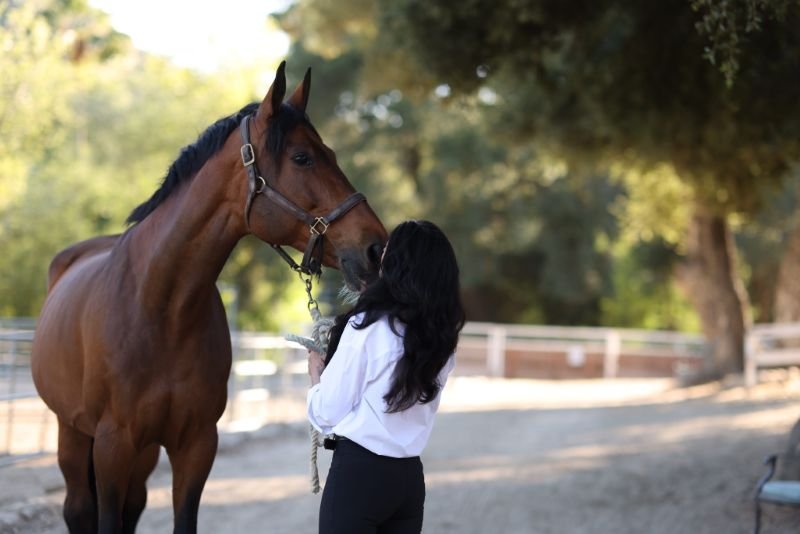
Julia brings equine legal insight and personal familiarity with the responsibilities of horse ownership. Her approach is refined, practical, and focused on helping clients plan before uncertainty creates risk.
Whether you own one beloved horse, several horses, a retired partner, or a horse property tied to your family life, the goal is the same: create a plan that supports care, continuity, and your equestrian legacy.
The best time to plan is before there is urgency. Equine estate planning is especially important if you own horses your family may not know how to manage, have aging or retired horses, keep multiple horses, share ownership, compete, board horses away from home, or want specific care instructions followed.
Planning ahead gives your horses, your family, and your chosen caretakers a clearer path forward.
Your horses deserve more than informal promises or unclear instructions. A thoughtful estate plan can help safeguard their future care and preserve the equestrian life you have built.
Speak with Julia about creating an equine estate plan that reflects your wishes and supports the horses entrusted to your care.
Equine estate planning is legal planning for the future care, ownership, funding, and decision-making related to horses if an owner dies, becomes incapacitated, or can no longer manage their care.
Your horse may become part of your estate, and care or placement decisions may be left to someone who may not understand your wishes, your horse's needs, or the urgency of continued care.
Yes. Your estate plan can include instructions about caretakers, placement, medical needs, retirement, funding, and who should have authority to make decisions.
Yes. Depending on your goals and applicable law, planning can address funding for ongoing care, including boarding, feed, veterinary care, farrier services, medication, and transportation.