Trust planning for horses is not about abstract asset protection. It is about making sure the horses you love have clear care instructions, reliable funding, and the right people in place if something happens to you.
Led by equine attorney Julia Alexander, this planning helps horse owners, adult amateur riders, equestrian families, and multi-horse households create thoughtful structures for future care, decision-making, and continuity.
Many horse owners know exactly who they would want to care for their horses. The problem is that informal promises may not be enough when timing, funding, legal authority, or family disagreement becomes an issue.
A carefully drafted trust or related estate planning structure can help turn your wishes into a clearer plan. It can identify who manages funds, who provides care, how expenses should be handled, and what instructions should guide future decisions.
A trust can be designed to support your horses and the people responsible for them. Depending on your goals and applicable law, it may help address:
Set aside resources for feed, boarding, veterinary care, farrier services, medication, retirement care, and other ongoing needs.
Name the person or people you trust to handle daily care, placement, and practical decisions.
Identify who manages the funds and makes sure they are used according to the terms of the plan.
Document preferences for medical care, turnout, boarding, retirement, special handling, or end-of-life decisions.
Support care if illness, incapacity, death, relocation, retirement, or family changes affect your ability to manage your horses.
This service is especially important for owners of retired horses, multiple horses, aging horses, or horses with specific medical, training, or placement needs. It can also help when family members love you but do not fully understand horse care, barn relationships, or the cost and urgency of equine decisions.
The goal is not to preserve property in the abstract. The goal is to help preserve care, continuity, and the equestrian life you have built.
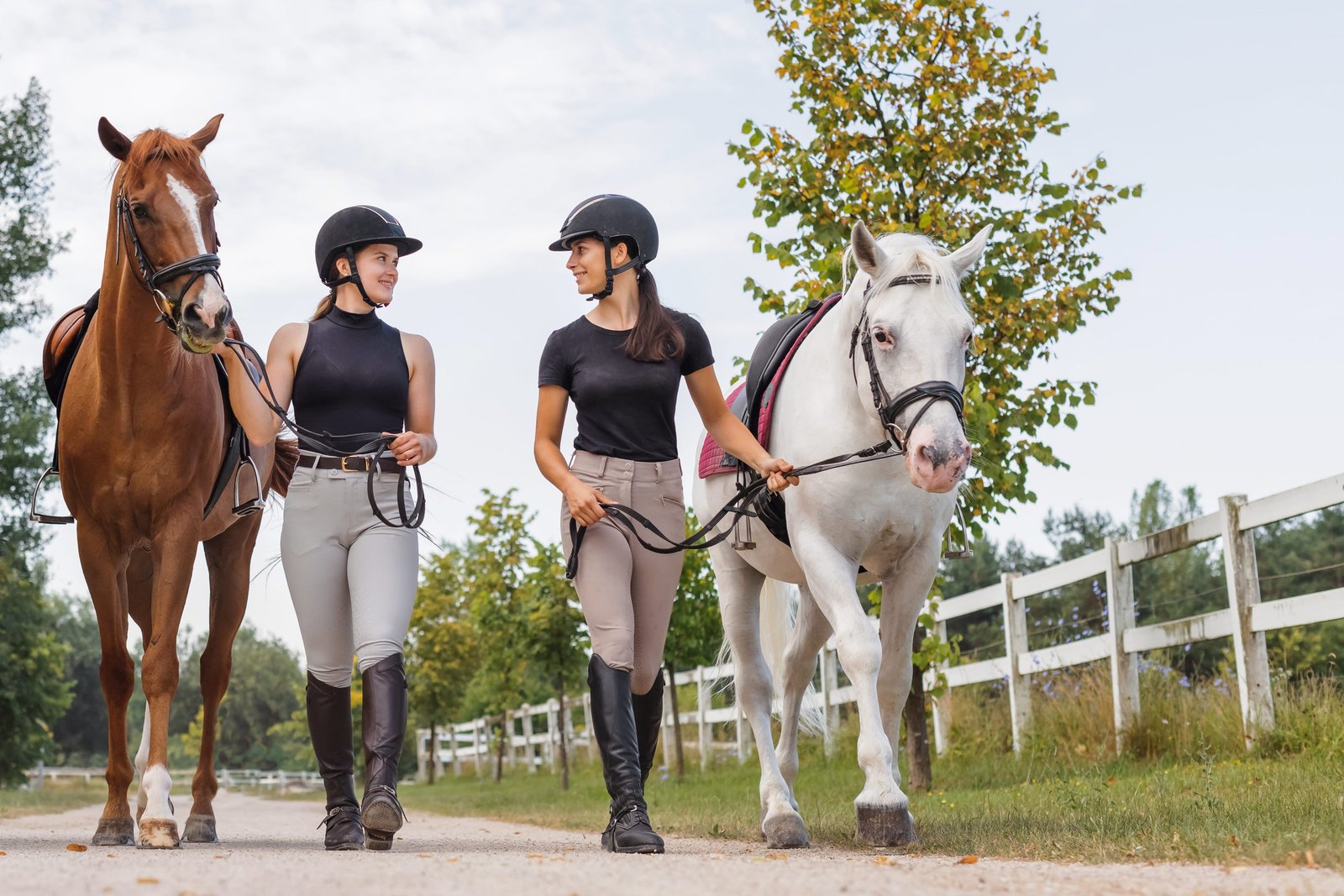
Verbal agreements, text messages, or family understandings may feel clear today, but they can become difficult to follow when authority is questioned or money is needed quickly.
Horses require immediate care. Bills continue. Decisions about veterinarians, boarding, transportation, retirement, or placement may need to be made before an estate is fully settled.
A written trust or care plan gives the people involved a clearer path to follow and helps reduce uncertainty when decisions matter most.
Julia approaches trust and care planning with an understanding that horses are companions, partners, responsibilities, and part of the life a client has built.
That perspective matters. A useful plan should reflect not only legal requirements, but also the real-world responsibilities of horse ownership: care costs, barn relationships, caretaker trust, medical needs, retirement expectations, and the emotional weight of the decisions involved.
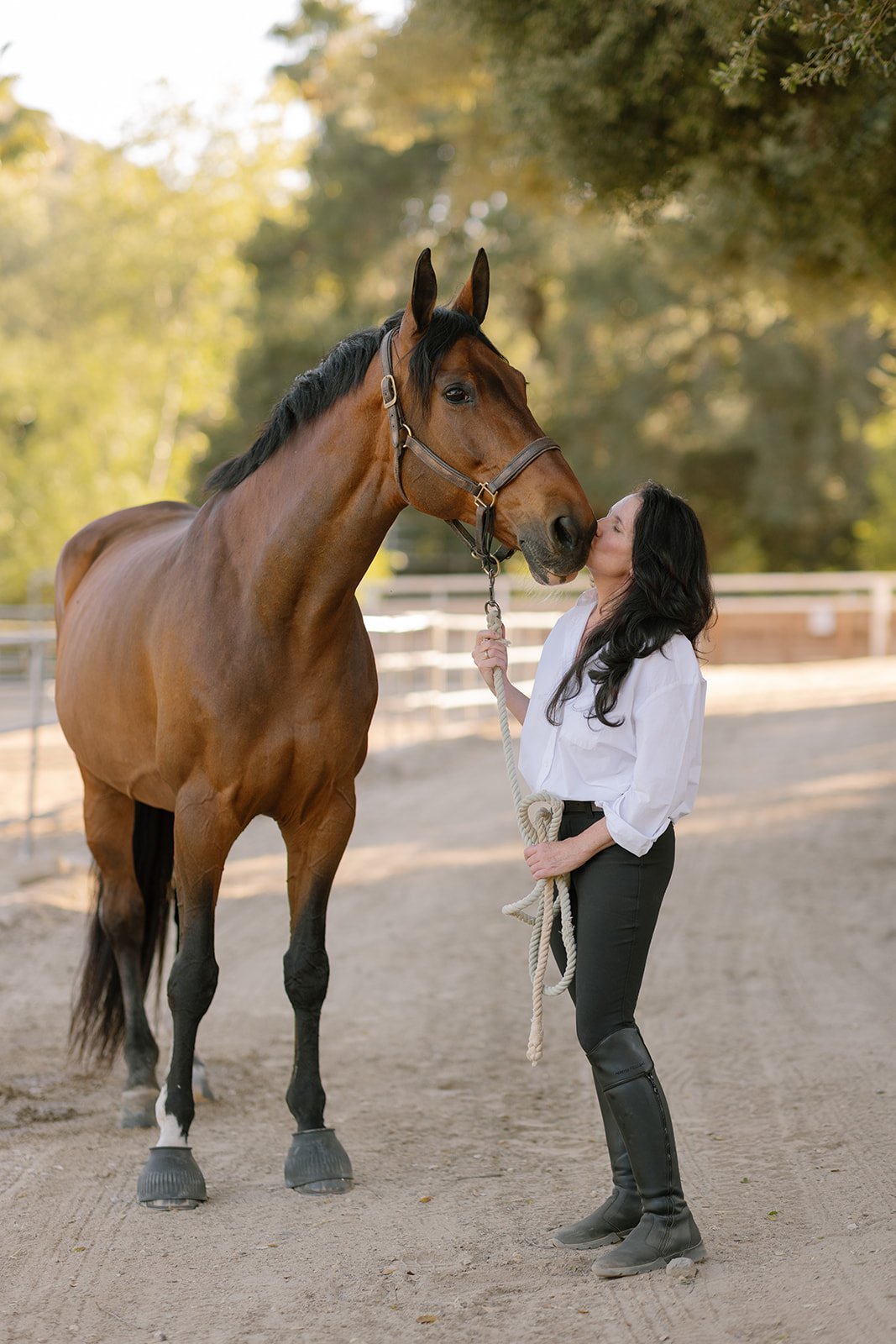
A clear trust and care plan can help ensure your wishes are understood, your horses are supported, and the right people have direction when they need it.
Speak with Julia about trusts and horse care planning designed around the future of your horses.
An equine trust is a legal structure that can hold funds and instructions for the care of horses. It may name a trustee, identify a caretaker, and explain how resources should be used.
Yes. A trust can be structured to provide funds for ongoing care, including boarding, feed, veterinary care, farrier services, medication, and other necessary expenses.
A trustee typically manages the funds and follows the terms of the trust. A separate caretaker may be named to handle daily horse care, depending on how the plan is structured.
Yes. Trust and estate planning can help identify a trusted caretaker and provide written instructions for care, placement, funding, and decision-making.